My Tongue Forgot Its Way Home.
One day, you will go through that 'I can hear, but can't speak era’ as your tongue goes through a linguistic meltdown - possibly denying you a chance at getting a partner.
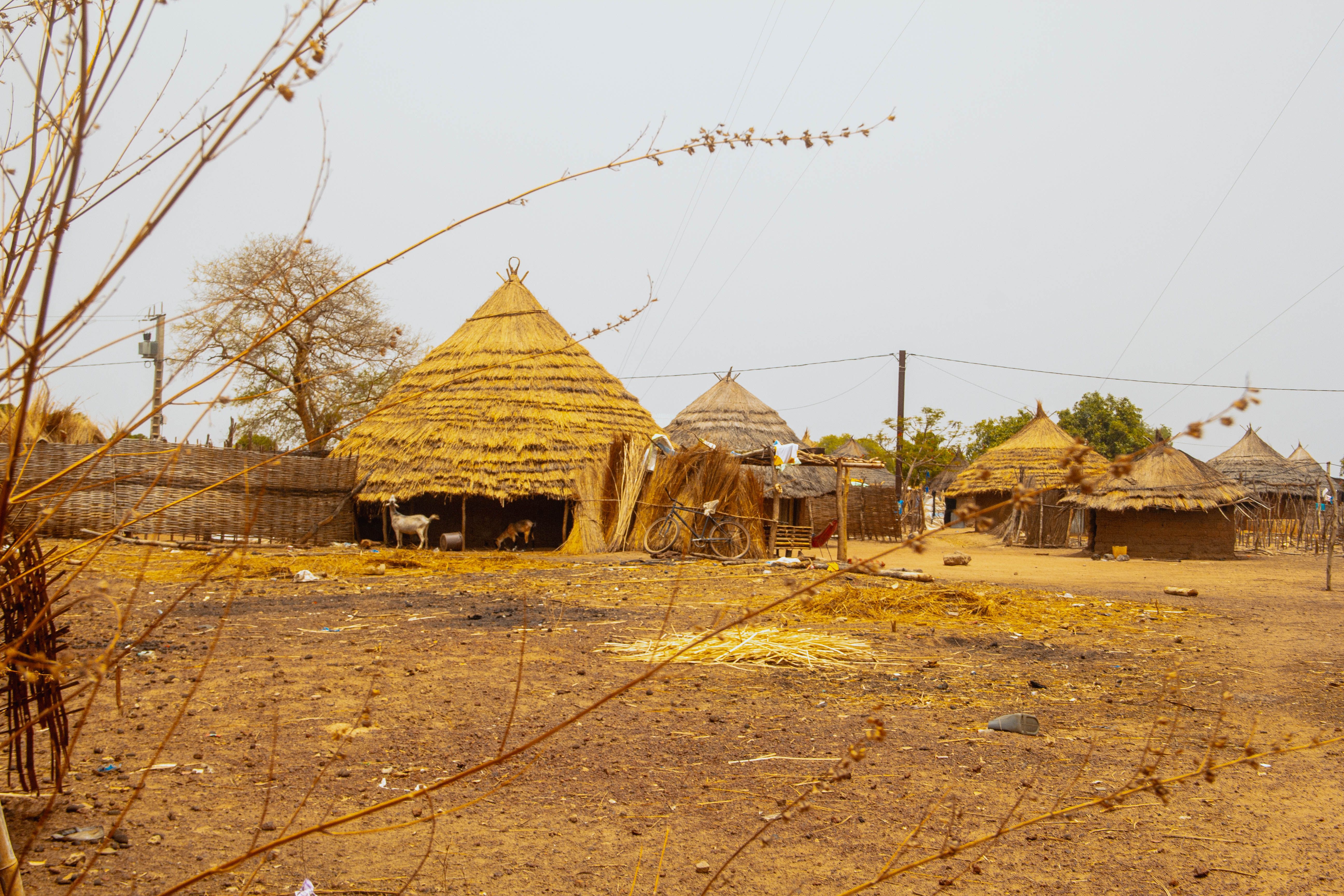
“If you know all the languages of the world but not your mother tongue, that is enslavement…” Ngugi, may he rest in peace, once said.
Of all the things he said and wrote over the years, this has been on my mind ever since I stumbled upon the news of his passing.
Because I, dear reader, am on the verge of being that enslaved person.
Okay, maybe I already am. Along this life’s journey, my Luhya disappeared from my tongue. I hit my small toe on the corner of my coffee table the other day, and as my ears rang, I overheard my ancestors sengenyaing me.
I have been joking with my brothers that I am the real mwacha mila, and now I am wondering whether it still meets the merits of humour. Wahenga were onto something there with the …ni mtumwa.
Oh, wait, that’s basically what Ngugi said. Mhenga yeye.
This is embarrassing - simbile omurwe sana.
I learnt this language in school, goddammit! I sat exams and scored in the 90s, goddammit.
I remember the dusty classes, but I don’t remember how the teacher taught it. I remember how he cycled into the class, parking his two-wheeler at the back, but I cannot remember his name. I remember being beaten to memorise the multiplication table, but I cannot remember how he taught us to pronounce the syllable khu.
I used to be so smooth with these words, but now my tongue trembles when I try to say obutsirirri. Yes, your tongue should tremble, especially on those last syllables, but mine was trembling because it's afraid of the word.
But also, what kind of word is that?
Who came up with this language?
You don't want to be the person seeing my face when I'm trying to say khuongele obulamu because that's the face of someone getting a stroke, completely contradicting what I am saying.
Why do the insides of my mouth feel like a posho mill is about to start rolling? I am done with this language and everything it stands for.
I want to pretend I am reflecting on how we got here, but I already know. It’s not a matter of reflection anymore, just a matter of acceptance.
A bit of city life, not having many people to speak the language with, and the fact that I visit the village once in a blue moon - this is not a surprising result. So, a part of me wants to hang it up with my other unfulfilled New Year’s resolutions from 2019, the last good year we had.
Still, language is more than just vocabulary. It’s a memory. It’s the smell of boiling tea straight from the sufuria. It’s the coldness of the drinking water from the isiongo. It's home, even when you haven't been there in ages. It's culture. It's the complement omwana amabele, omwana inyanya that makes the said omwana enter box very fast and lock herself in.
Luhya men be like itsa ombekho abana barano, and that's it. It only gets complicated when the said man doesn’t want the said abana barano and the said omwana amabele wants to seek greener pastures in lands beyond the borders.
It is strangely humbling to go through a midlife linguistic crisis.