Memory of Princess Mumbi: A Review
How do you summarise a life?
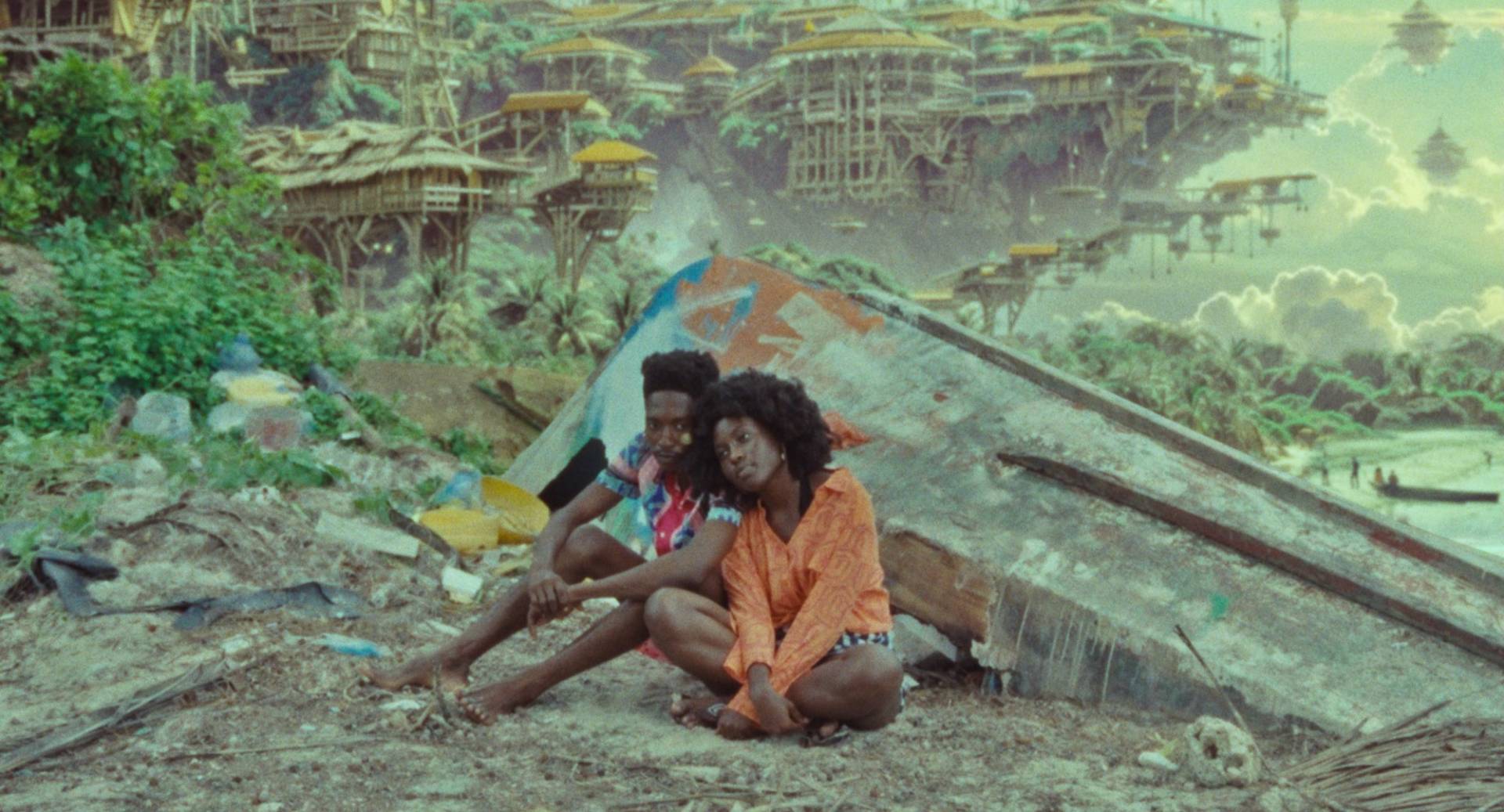
It’s always by that uninspiring dash between the date of birth and death. That’s how you summarise a life. That was the question Kuve asked after Mumbi died. Yes, Mumbi dies. They tell you that in the first few minutes of the movie, so it's not a spoiler. Also, with the title being ‘Memory of Princess Mumbi,’ you should know that Mumbi dies, right? They, however, do not tell you how she dies, but it is, as most deaths tend to be, a tragic death.
The first time I watched the movie, I was thirty minutes late. I didn’t get too lost in the story wondering what had happened, but I really wanted to watch from the beginning to see how it began because beginnings matter. So, I went to watch it a second time. I was thirty minutes early. When they pressed play at the not-so-crowded cinema at Unseen Nairobi, I was already seated.
It’s a lovely story, told in inventive and beautiful ways. You might shed a tear. It’s both colourful and grey, both simple and complex - either a complex story told with simplicity or a simple story told with complexity. Regardless, everything fits so well in that world. It's quirky and fun, and the way it brings out emotion is refreshing and honest.
The unpolished finish, because it's shot as a mockumentary, adds a layer of charm the story needed and much deserved. It feels authentic, pulling the audience in to witness the character’s true memories unfold.
In the 2070s, the Great War was devastating. Years later, Kuve, a filmmaker, is documenting the aftermath of that war in the Kingdom of Umata. He wants to highlight its effects on the people, but he doesn’t like his interviewees' stories. Or rather, the stories aren't what he was expecting. They were not depressing or sad. Everyone was at peace, happy even. Mumbi, a resident of Umata and the documentary presenter, questions the kind of film Kuve wants to make and challenges his preconceived ideas about storytelling. She wears the role so well, and she is the movie's emotional centrepiece. Her performance is effortless.
They become close and fall in love. They run away because staying wasn't an option. They talk a lot about stories and the use of AI in telling stories. They are on opposing sides of the conversation, but the underlying question is ‘what kinds of stories are worth telling?’ They explore what makes a story great. Is a life defined by conflict a marker of a greater story, or can the mundane moments of peace and tranquillity, where not much is happening, where there aren’t high highs and low lows, be stories worth telling?
“That would be the most boring story.” Kuve says at one point.
The pacing is balanced, moving slowly through the years - from Mumbi’s birth, to when she runs away with Kuve, to her as a princess, and to her eventual demise. The camera keeps rolling as Kuve’s unrehearsed narration fills you in. Would I have preferred a bit less narration? Yes. But also, it's a choice that worked well for the movie. His playful voice and intonation connect well with the story's emotional tone. He moved us through their heartfelt moments in funny and tender ways.
In this futuristic sci-fi movie, Damien, the writer and director, is bringing forth a familiar story told in a unique and relatable way.
Yes, there is commentary about the future, especially using AI to create Art, which Damien doesn’t shy away from, but that’s not the story. There is young love, and life on the run as lovers, the Bonnie and Clyde of the next century, without the crime, but that is not the story. There is a prince, and a princess, but that is not the story. There is heartbreak, because one person had a big nose and the partner couldn't take it anymore because it was hard for them to kiss, but that’s not the story. There are dreams, and the pursuit of them - winning awards and being recognised beyond the walls of your country, but still feeling like something is missing - but that’s not the story. There is a love triangle and what happens when three people with unresolved feelings towards each other are put in the same room, but that’s not the story.
All these stories were leading us to Mumbi and her death. They were leading us to where Kuve asks that question: how do you summarise a life?
In their time together, Kuve, being a filmmaker, had a lot of footage of her - behind-the-scenes shots and the rough-around-the-edges unscripted parts of their lives. Footage when they met, when they were on the run, when her smile disappeared, and she didn’t have a colour to her. Footage where the rawness of their friendship lived.
These were the unfiltered moments that didn't need manipulation, or scripting, or editing to curate a narrative about who she was.
Life mostly unfolds in mundane moments of everyday existence. If caught on camera, they wouldn't form a cohesive or compelling story. These moments never produce stories that can be neatly folded into chapters, themes, or arcs. Yet, that's the challenge facing Kuve as he attempts to put something together to remember Mumbi.
Remembering someone is difficult because you never know which parts of them to hold on to and cherish more. How do you tell someone's complete story to capture their entire essence? That dash between the date of birth and death should do a lot of heavy lifting, but it often doesn’t. Maybe it's because we try to find the neat stories of people. That’s why obituaries are bland and devoid of character. They focus on people’s achievement lists and places they worked. It's like we are trying too hard to highlight the highlights, when in reality, most of life happens in the mundane.
Isn’t it interesting that the things we write or say about people after they die are usually not the most impactful things about them?
Damien made the film to honour his brother who died in a motorcycle crash, and what a beautiful way he did it with this experimental masterpiece.